
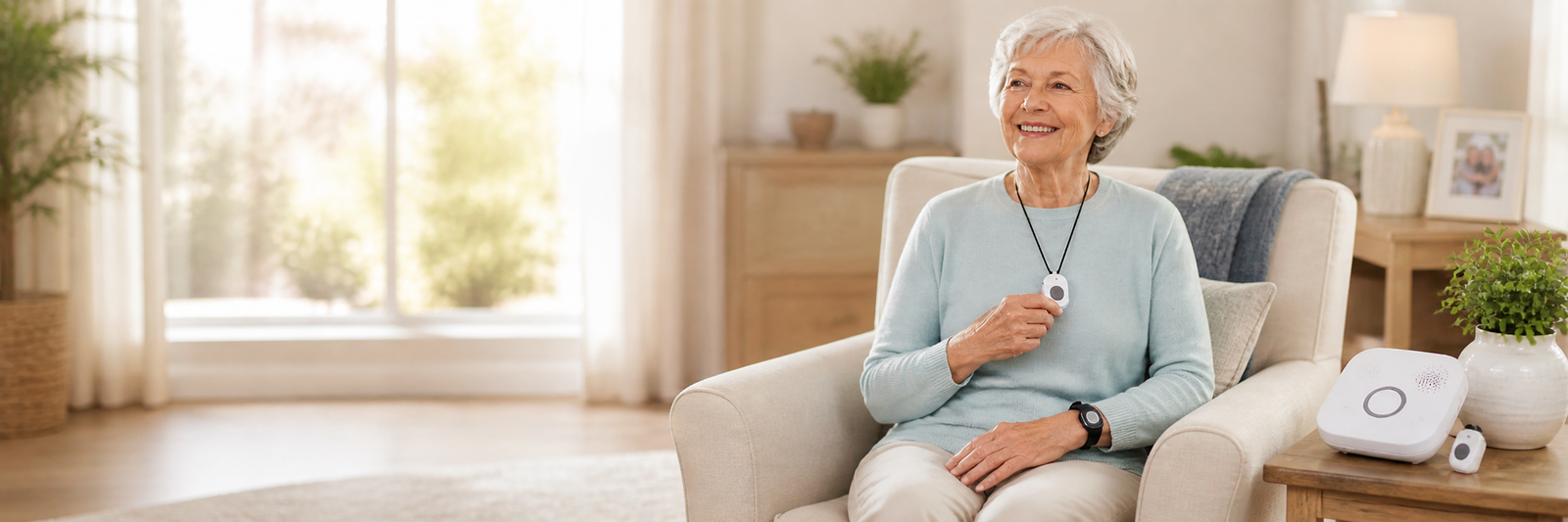
Safety Monitors
Medical alert systems, fall detection devices, GPS pendants, and home monitoring tools can help older adults stay safer and give families more peace of mind. Explore guides, comparisons, and recommendations for choosing the right setup.
Who This Helps
Safety monitors provide essential support for various living situations and needs.
Seniors living alone
Provides immediate access to help in case of a fall or medical emergency when no one else is home.
Families checking on aging parents
Offers peace of mind knowing loved ones can easily call for assistance if needed.
Fall-risk households
Automatic detection features can summon help even if the user is unable to press a button.
Simple emergency alert needs
Straightforward, easy-to-use devices without complicated technology or steep learning curves.
What to Look For
When evaluating safety monitors and medical alert systems, consider these key features to ensure you choose a device that meets your specific requirements.
Common Types of Systems
Understanding the different categories of safety monitors can help narrow down your choices.
In-home medical alert systems
Base stations that connect to a landline or cellular network, typically paired with a wearable button that works within a certain range of the home.
Mobile GPS alert devices
Portable devices that work anywhere with cellular service, allowing users to call for help while running errands or traveling.
Fall detection wearables
Pendants or wristbands equipped with sensors that automatically detect sudden falls and contact the monitoring center.
Camera-free home monitoring options
Systems that use motion sensors or contact sensors to track daily activity patterns without compromising privacy with video cameras.
Medicare / insurance note
Original Medicare generally does not pay for routine medical alert systems or monthly monitoring. Some Medicare Advantage plans, Medicaid waiver programs, long-term care insurance, or local aging programs may help in certain situations. Always check the exact plan/provider before buying.
Buying Guides & Comparisons
Dive deeper into specific topics to make an informed decision about your safety monitoring needs.
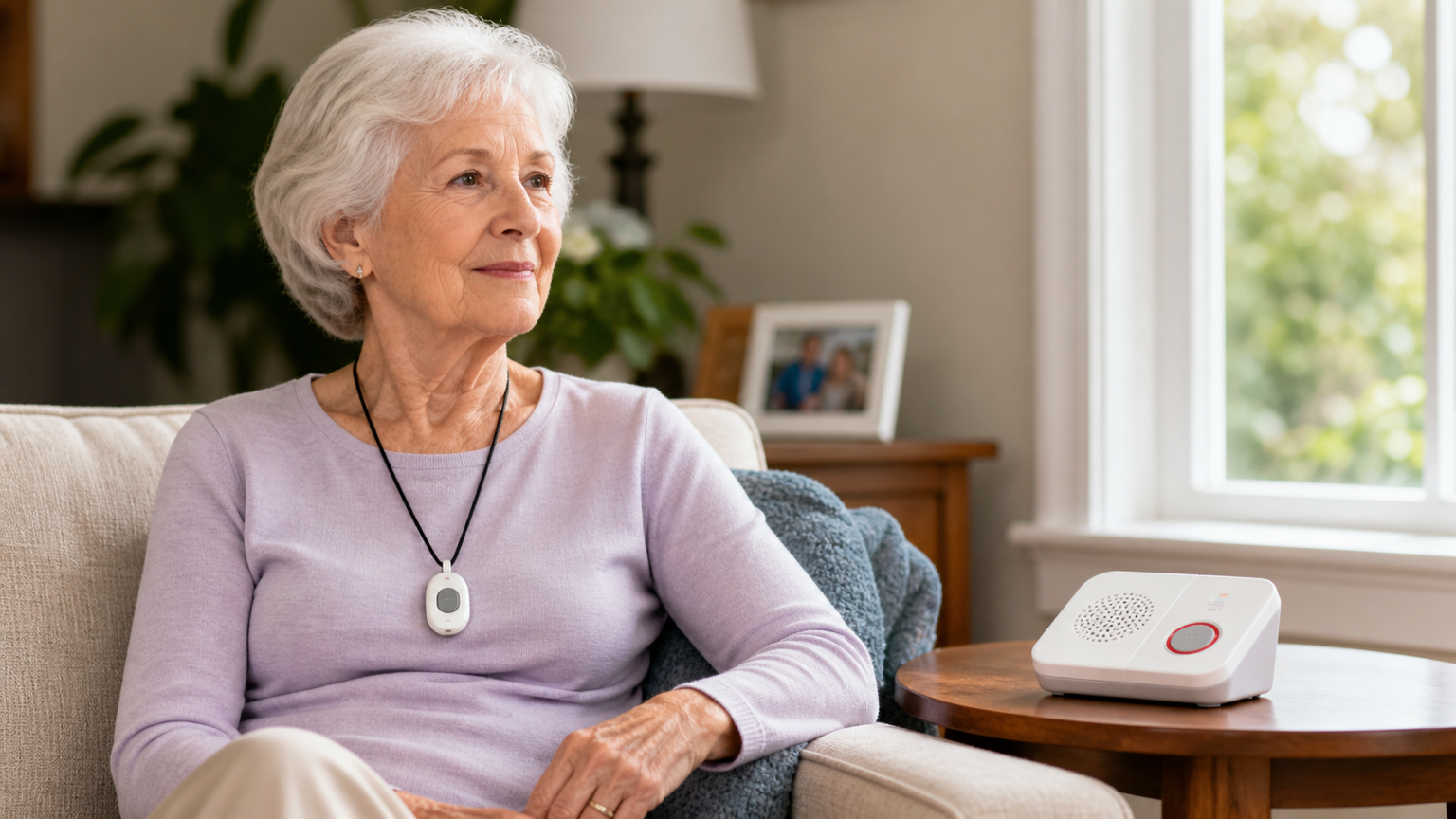
Best Medical Alert Systems for Seniors Living Alone
Compare top medical alert systems designed to provide fast help, simple setup, and peace of mind for independent living.
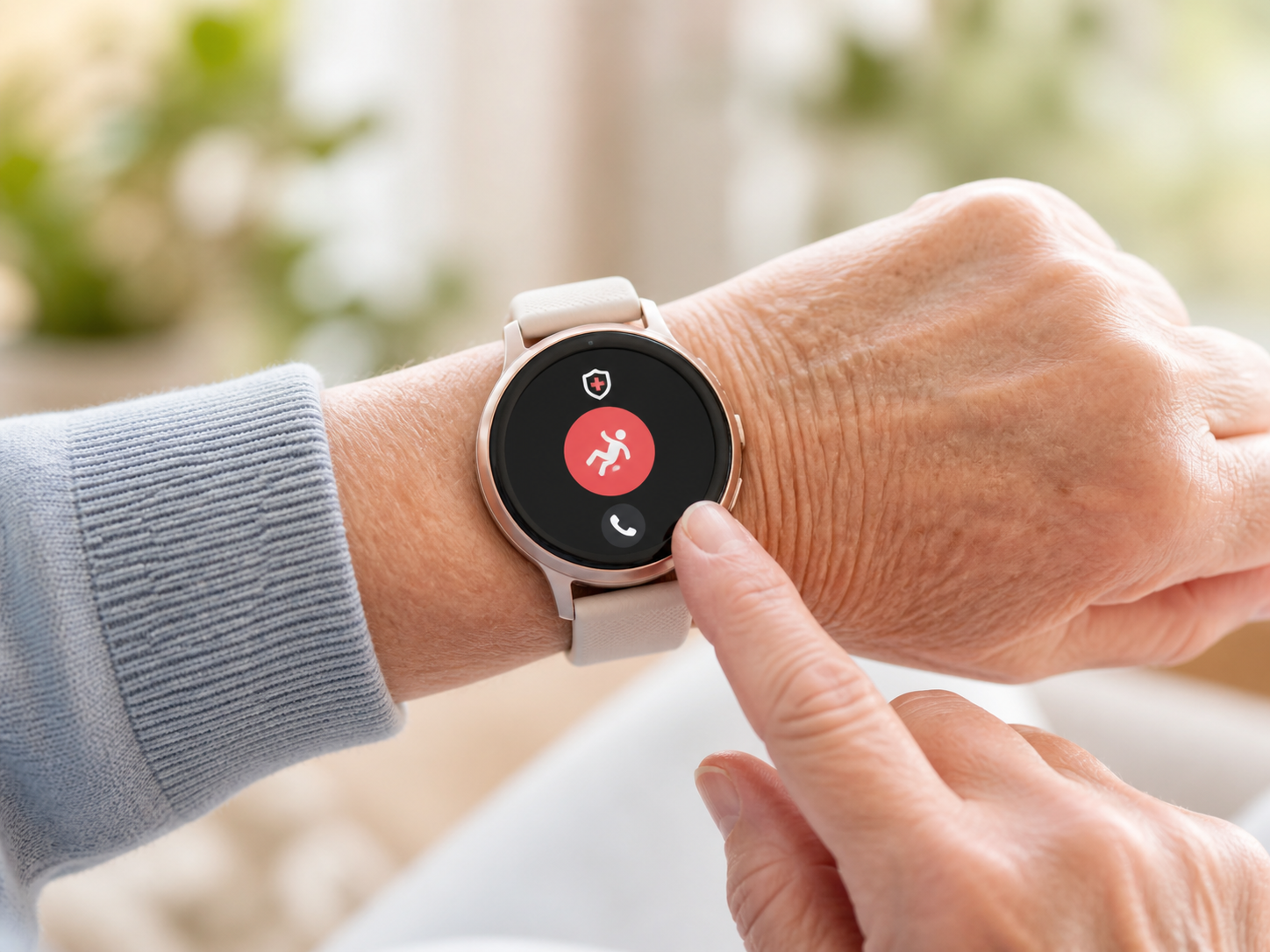
Fall Detection Devices Explained
How automatic fall detection works, its limitations, and who benefits most from this feature.
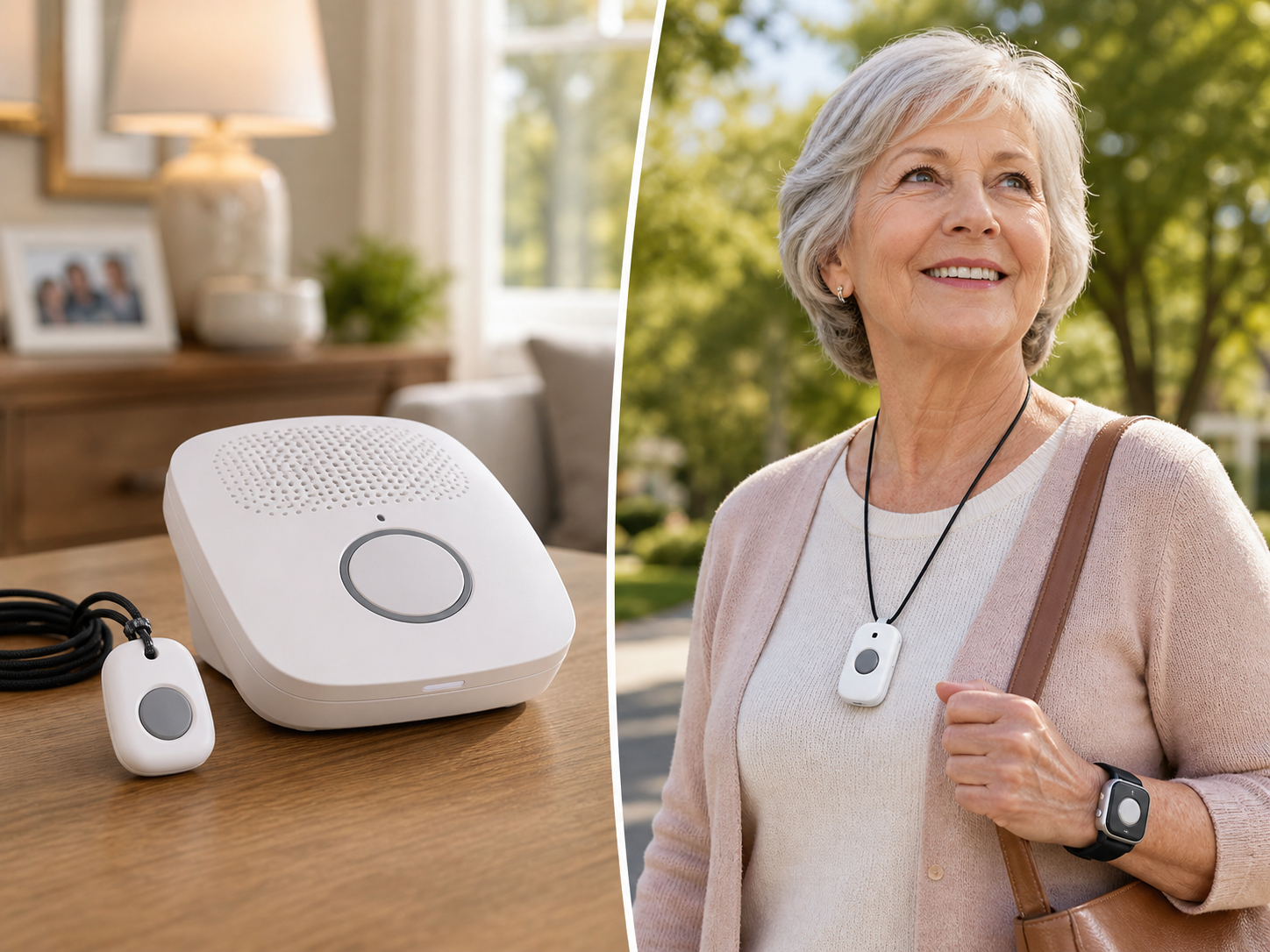
In-Home vs Mobile Medical Alerts
Understanding the differences to choose the right system for your lifestyle and budget.